 Scooch health

Master Extracting Anal Glands: A Step-by-Step Guide for Dog Owners
Introduction
Understanding your dog's anal glands is essential for every pet owner who wants to ensure their furry friend's health and comfort. Have you ever worried about your dog's well-being? These small but significant structures play a vital role in communication and territory marking among canines. Yet, many dog owners remain unaware of the challenges that can arise when these glands become impacted or infected.
This guide offers a comprehensive, step-by-step approach to:
- Safely expressing anal glands
- Troubleshooting common issues
- Maintaining optimal gland health
Moreover, it’s important to navigate this delicate process with care, ensuring your pet remains calm and comfortable. By addressing your concerns and providing effective solutions, we can help you support your beloved companion's health.
Understand Dog Anal Glands: Function and Importance
Anal glands, also known as anal sacs, are small glands located on either side of a dog's rectum. They produce a potent secretion that plays a crucial role in marking territory and facilitating communication among dogs. Typically, these glands empty naturally during defecation. However, anal gland issues are common, with studies indicating that approximately 15.7% of dogs experience problems, which includes conditions like impaction. Symptoms such as scooting, excessive licking, and discomfort can signal underlying problems.
Recent research highlights that certain breeds and those predisposed to anal gland issues are more susceptible to complications. For instance, breeds like the Cavalier King Charles Spaniel and Labrador Retriever have been identified as having a higher risk. Regular check-ups are essential, as untreated issues can lead to infections or abscesses, necessitating more invasive treatments.
Understanding the function and importance of anal glands is vital for dog owners. By recognizing the signs of potential problems and ensuring routine care, owners can help prevent discomfort and maintain their dog's overall health.
Gather Necessary Tools for Anal Gland Expression
Before you begin, gather the following tools:
- Disposable gloves: Essential for maintaining hygiene and protecting your hands from any unpleasant secretions.
- Lubricant: A water-based lubricant can facilitate the process, making it more comfortable for your dog.
- Paper towels: Useful for cleanup and to catch any discharge during the procedure.
- Treats: Having treats on hand can help reward your dog and keep them calm throughout the process.
Create a quiet and comfortable space for the procedure, as this will help alleviate any anxiety your dog may feel. Ensuring a relaxed environment is crucial for a successful expression.
It's important to recognize signs of discomfort, such as butt-scooting, a fishy odor, or excessive licking of the anus. According to veterinarian Rhiannon Koehler, if a dog's anal glands aren't expressed, they can become impacted. Additionally, consider that the cost of professional expression typically ranges from $25 to $50, which may help you decide whether to perform the procedure yourself or seek professional assistance.
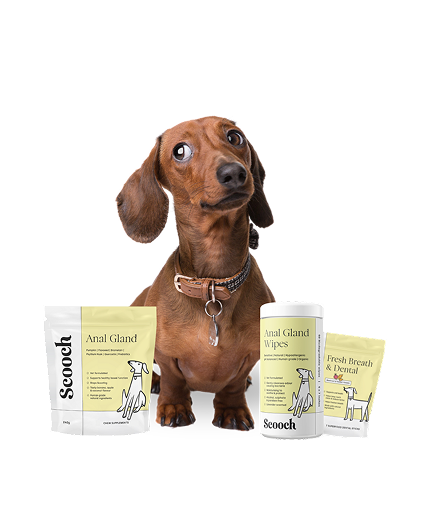
For those considering supplements, it's crucial to follow safety guidelines. Avoid using these chews with blood-thinning medications, and consult your vet if your dog is on antidiabetics or other specific medications. Many dogs begin to see changes from the chews within just one week, although full effects may take 1-6 months depending on the individual dog.
Follow Step-by-Step Instructions for Safe Expression
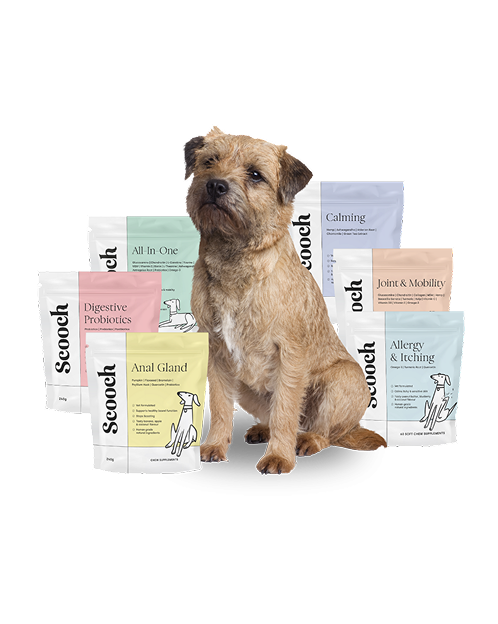
- Prepare Your Dog: Start by calming your dog. You can use Scooch's calming treats, which are made with natural ingredients like hemp and green tea extract, to help reduce anxiety and stress. This is crucial, as anxiety can complicate the process. About 12% of dogs will experience anxiety at some point in their lives, making it important to approach this task with care.
- Wear Gloves: Put on your disposable gloves to maintain hygiene throughout the procedure.
- Apply Lubricant: Apply a small amount of lubricant to your gloved index finger to facilitate a smoother process.
- Position Your Dog: Stand behind your dog and gently lift their tail to access the anal area.
- Locate the Glands: The anal glands are located around the anus.
- Insert Your Finger: Gently insert your lubricated finger into the anus, feeling for the glands.
- Express the Glands: Using your thumb on the outside and your finger on the inside, apply gentle pressure. A small amount of f
Troubleshoot Common Issues During Anal Gland Expression
When expressing your dog's anal glands, you may encounter several common issues. Here’s how to troubleshoot them:
- No Fluid Expressed: If no fluid is released, the glands might be impacted. In this case, applying more pressure may help, but if the issue persists, consult your veterinarian for assistance. It's important to note that this condition is common, highlighting the prevalence of this issue.
- Dog is Uncomfortable: Should your dog exhibit signs of discomfort, stop immediately. It's crucial to ensure they are calm and comfortable before attempting the process again. If discomfort continues, it may indicate a more serious underlying issue that requires attention.
- Foul Odor: A large amount of fluid or a foul odor can indicate an infection. If you notice this, contact your veterinarian for a thorough evaluation. Remember that treatment for ongoing infections can become expensive, so discussing costs with your vet is advisable.
- Excessive Scooting: If your dog continues to scoot or lick excessively after expression, it may suggest that the glands are still full or that there is an underlying issue. Keep an eye on their behavior and consult a vet if necessary. Additionally, adjusting your dog's diet can help firm up stools, facilitating easier emptying of the anal glands and potentially preventing future issues.
Monitor and Maintain Anal Gland Health Post-Expression
After expressing your dog's anal glands, consider the following maintenance tips:
- Diet: Ensure your dog is on a high-fiber diet, which can help naturally express the glands. Foods like pumpkin, sweet potatoes, and carrots are excellent choices. Additionally, incorporating probiotics can provide essential nutrients, as they contain natural ingredients like chickpea and green tea extract that support digestive health.
- Regular Check-ups: Schedule veterinary visits to monitor your dog's health, especially if they have a history of issues.
- Hydration: Ensure your dog has access to fresh water at all times, as proper hydration supports overall digestive health.
- Exercise: Regular exercise helps maintain a healthy weight and promotes regular bowel movements, which can prevent anal gland issues.
- Watch for Symptoms: Keep an eye out for warning signs, such as scooting or excessive licking, and consult your veterinarian if these symptoms persist. By integrating these practices into your dog's routine, you can enhance their digestive health and overall well-being.
Conclusion
Caring for your dog's anal glands is crucial for their overall health and happiness. Have you ever worried about your dog's well-being? This guide has shed light on the significance of these glands, the tools needed for safe expression, and provided step-by-step instructions along with troubleshooting tips and post-expression care strategies. By being informed and proactive, you can significantly reduce the risk of complications related to anal gland issues.
Recognising the signs of anal gland problems is key. Using proper techniques for expression and implementing preventive measures - like a balanced diet, adequate hydration, and regular veterinary cheque-ups - can make a world of difference. Awareness of these factors helps ensure that your furry friend stays comfortable and healthy, free from the discomfort that often accompanies anal gland disorders.
Ultimately, being a dog owner means more than just feeding and walking your pet. It’s about understanding and addressing their specific health needs, including anal gland care. By taking the time to learn and apply these practises, you can foster a healthier, happier life for your beloved companion. Prioritising anal gland health not only enhances your dog's quality of life but also strengthens the bond you share.
Frequently Asked Questions
What are anal glands in dogs and what is their function?
Anal glands, or anal sacs, are small structures located on either side of a dog's rectum. They produce a potent secretion that helps mark territory and facilitates communication among canines. Typically, these glands release their contents naturally during defecation.
What issues can arise with a dog's anal glands?
Common issues include sac disease, which can manifest as impaction, inflammation, or abscess formation. Symptoms of these problems may include scooting, excessive licking, and discomfort.
What percentage of dogs experience anal gland issues?
Research indicates that approximately 15.7% of dogs experience some form of sac disease, with rectal sac impaction occurring in about 8.9% of cases, inflammation in 4.1%, and abscess formation in 2.8%.
Which dog breeds are more susceptible to anal gland disorders?
Smaller breeds and those prone to skin issues, such as the Cavalier King Charles Spaniel and Labrador Retriever, are identified as having a higher risk of developing rectal sac disorders.
What should dog owners do to maintain their dog's anal gland health?
Regular care and observation of the dog's rectal pouch health are essential. Recognising signs of potential problems and ensuring proper care can help prevent discomfort and maintain overall health.
What tools are necessary for expressing a dog's anal glands?
Essential tools include disposable gloves for hygiene, a water-based lubricant for comfort, paper towels for cleanup, and treats to reward and calm the dog during the procedure.
Why is it important to create a comfortable environment for anal gland expression?
A quiet and comfortable space can significantly reduce anxiety for the dog, making the process of extracting anal glands smoother and more successful.
List of Sources
- Understand Dog Anal Glands: Function and Importance
- A Cross-Sectional Study on Canine and Feline Anal Sac Disease - PMC (https://pmc.ncbi.nlm.nih.gov/articles/PMC8749694)
- rvc.ac.uk (https://rvc.ac.uk/vetcompass/news/ground-breaking-rvc-research-explores-prevalence-of-anal-sac-disorders-in-dogs)
- New research from the RVC reveals the highest priorities for future canine health and welfare research - News - Small Animal - Royal Veterinary College, RVC (https://rvc.ac.uk/small-animal-vet/news/new-research-from-the-rvc-reveals-the-highest-priorities-for-future-canine-health-and-welfare-research)
- bvajournals.onlinelibrary.wiley.com (https://bvajournals.onlinelibrary.wiley.com/doi/10.1002/vetr.203)
- researchgate.net (https://researchgate.net/publication/388197964_Canine_Anal_Gland_Affections_and_its_Successful_Surgico_Therapeutic_Management)
- New data on the prevalence of anal sac disorders in dogs (https://vetsurgeon.org/b/veterinary-news/posts/new-data-on-the-prevalence-of-anal-sac-disorders-in-dogs?ref=healthtips.kr)
- Gather Necessary Tools for Anal Gland Expression
- How to Express a Dog’s Anal Glands (https://petmd.com/dog/general-health/how-to-express-dog-anal-glands)
- akc.org (https://akc.org/expert-advice/health/how-to-express-dog-anal-glands)
- Expressing Your Dog's Anal Glands (https://vets4pets.com/services/expressing-your-dogs-anal-glands)
- medivetgroup.com (https://medivetgroup.com/vet-practice-services/gland-expression)
- Follow Step-by-Step Instructions for Safe Expression
- How to Express a Dog’s Anal Glands (https://petmd.com/dog/general-health/how-to-express-dog-anal-glands)
- akc.org (https://akc.org/expert-advice/health/how-to-express-dog-anal-glands)
- How to Express Your Dog’s Anal Glands – Union Lake Veterinary Hospital (https://unionlakeveterinaryhospital.com/blog/how-to-express-your-dogs-anal-glands)
- Expressing Your Dog's Anal Glands (https://vets4pets.com/services/expressing-your-dogs-anal-glands)
- scenthound.com (https://scenthound.com/dogblog/gland-health-in-dogs-a-vital-aspect-of-your-pups-health)
- Troubleshoot Common Issues During Anal Gland Expression
- A Cross-Sectional Study on Canine and Feline Anal Sac Disease - PMC (https://pmc.ncbi.nlm.nih.gov/articles/PMC8749694)
- rvc.ac.uk (https://rvc.ac.uk/vetcompass/news/ground-breaking-rvc-research-explores-prevalence-of-anal-sac-disorders-in-dogs)
- Blocked anal glands in dogs (https://pdsa.org.uk/pet-help-and-advice/pet-health-hub/conditions/blocked-anal-glands-in-dogs)
- researchgate.net (https://researchgate.net/publication/388197964_Canine_Anal_Gland_Affections_and_its_Successful_Surgico_Therapeutic_Management)
- scenthound.com (https://scenthound.com/dogblog/gland-health-in-dogs-a-vital-aspect-of-your-pups-health)
- Monitor and Maintain Anal Gland Health Post-Expression
- A Cross-Sectional Study on Canine and Feline Anal Sac Disease - PMC (https://pmc.ncbi.nlm.nih.gov/articles/PMC8749694)
- Blocked Anal Glands in Dogs - Signs + Best Food to Prevent (https://bellaandduke.com/dogs/expert-advice/dog-health/dogs-anal-glands)
- The Role of Diet in Anal Gland Expression and Health in Dogs (https://seaweedfordogs.com/en-gb/pages/the-role-of-diet-in-anal-gland-expression-and-health-in-dogs?srsltid=AfmBOorZBiVBoRmmGlV91HQUuQwd4EDZogW9sc0gFca86aljJzOrisCn)
- medivetgroup.com (https://medivetgroup.com/vet-practice-services/gland-expression)
- Dog Anal Glands: Common Problems, Treatment, and Prevention | PetMD (https://petmd.com/dog/general-health/dog-anal-glands)
- rvc.ac.uk (https://rvc.ac.uk/vetcompass/news/ground-breaking-rvc-research-explores-prevalence-of-anal-sac-disorders-in-dogs)
- scenthound.com (https://scenthound.com/dogblog/gland-health-in-dogs-a-vital-aspect-of-your-pups-health)
- bvajournals.onlinelibrary.wiley.com (https://bvajournals.onlinelibrary.wiley.com/doi/10.1002/vetr.203)