
 Scooch health

How to Identify and Treat Rash in Dogs' Stomach Effectively
Overview
Have you ever worried about your dog's health? It can be distressing to see a rash on your furry friend's stomach. To effectively identify and treat this issue, look for symptoms like:
- Redness
- Itching
- Hair loss
Consulting a veterinarian is essential for a tailored treatment plan that addresses your dog's specific needs.
Understanding the underlying causes of the rash is crucial. Allergies or infections could be at play, and recognising these factors can help you manage and prevent future rashes. Implementing proper treatment strategies, such as:
- Medicated shampoos
- Dietary adjustments
can make a significant difference in your dog's comfort and well-being.
Moreover, taking proactive steps not only helps your dog feel better but also strengthens the bond you share. Remember, you're not alone in this journey. Reach out to your veterinarian for guidance and support. Together, you can ensure your beloved pet stays healthy and happy.
Introduction
Noticing a rash on your dog's stomach can be a heart-wrenching moment for any pet owner. Have you ever found yourself worrying about your furry friend's health? It's completely natural to feel concerned when you see something unusual on their skin. Understanding the symptoms and causes of these rashes is essential, as it empowers you to take timely action and seek the right care for your beloved pet.
However, distinguishing between the various triggers can be challenging. From allergies to infections, knowing the best treatment strategies is crucial to alleviate your dog's discomfort. Moreover, what steps can you take to effectively diagnose and treat these skin irritations? By being proactive, you can help ensure a swift return to health for your cherished companion.
Identify Symptoms of Belly Rashes in Dogs
Have you ever worried about your dog's health? Identifying a rash in dogs' stomach can be concerning, but knowing what to look for can help you take action quickly. Here are some symptoms to watch for:
- Redness or Inflammation: The skin may appear red and swollen.
- Bumps or Pimples: Small raised areas may develop, indicating irritation.
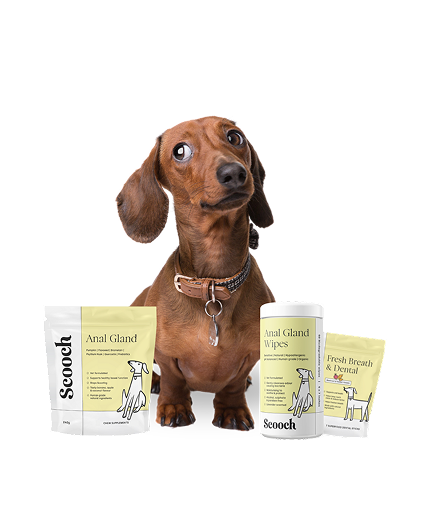
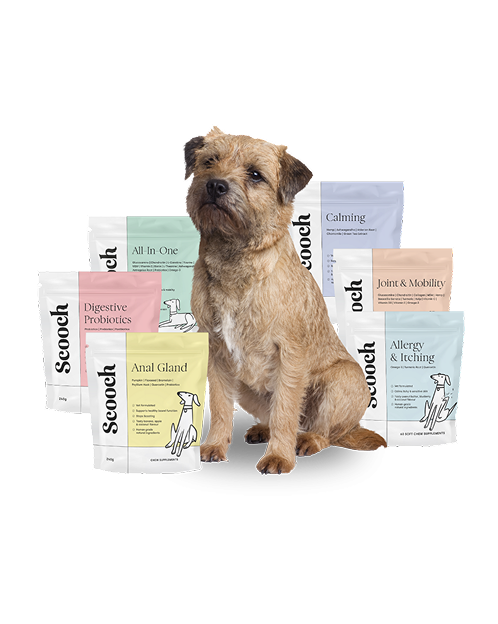
- Itching or Scratching: Dogs may scratch or lick the affected area excessively. This can be alleviated with Scooch's Itching and Allergy supplements, crafted with a delicious natural chicken flavour that even picky eaters will love.
- Hair Loss: Areas around the rash may show signs of hair loss.
- Flaky or Scaly Surface: The outer layer may become dry and flaky.
- Odour: A foul smell may indicate an infection.
If you notice any of these symptoms, it’s essential to monitor your dog closely. Moreover, consider seeking veterinary advice if the condition worsens or does not improve. In addition, utilising veterinary guides and resources can enhance your pet care and health management, ensuring your pup receives the best possible care. Remember, your furry friend relies on you to keep them healthy and happy!

Understand Causes of Belly Rashes in Dogs
Have you ever worried about your dog's health? Rash in dogs' stomach can arise from various causes, and understanding these can help you take the right steps to ensure your furry friend feels their best. Here are some common culprits:
- Allergies: Environmental allergens, like pollen or dust mites, or food allergies can trigger skin reactions.
- Infections: Bacterial or fungal infections, such as pyoderma, can lead to skin irritations.
- Parasites: Fleas, ticks, and mites can provoke discomfort on the surface, resulting in irritations.
- Contact Dermatitis: Irritation from contact with specific materials or substances can cause skin eruptions.
- Hormonal Imbalances: Conditions like hypothyroidism can impact skin condition.
- Heat Rash: Overheating can lead to rashes, especially in warmer weather.
Identifying the cause is crucial for effective treatment and prevention. With Scooch's AI-driven pet assistant, dog owners can take a brief vet-defined quiz to obtain customised treatment plan suggestions tailored to their dog's unique needs. This proactive approach not only helps manage current conditions but also contributes to preventing future medical issues.
Moreover, Scooch's specialised supplements, created in partnership with veterinary professionals, offer vital support for digestion, immunity, and overall coat health. This ensures your furry companion stays healthy and vibrant. Don't wait—take the first step towards better health for your dog today!

Implement Treatment Strategies for Dog Belly Rashes
Have you ever worried about your dog's health? It can be distressing to see your furry friend struggling with a rash in dogs stomach. Fortunately, there are effective strategies to help treat these uncomfortable conditions and bring relief to your beloved pet.
-
Consult a Veterinarian: Always start by seeking professional advice for an accurate diagnosis and a tailored treatment plan. Veterinary experts emphasise that a personalised approach is crucial for effectively managing skin conditions such as rash in dogs stomach.
-
Medicated Shampoos: Consider using shampoos with soothing ingredients like oatmeal or aloe vera. These can significantly alleviate itching and inflammation. Clinical trials have shown that medicated shampoos can provide temporary relief, but they should be part of a broader treatment strategy.
-
Topical treatments, including veterinarian-recommended creams or ointments, are specifically designed to soothe a rash in dogs stomach and can promote healing. For instance, Lokivetmab has been effective in managing allergic dermatitis, providing relief from itching and inflammation.
-
Antihistamines: Over-the-counter antihistamines may help mitigate allergic reactions. However, it’s crucial to consult your vet before use. Many dogs benefit from antihistamines that reduce itching with minimal side effects, although drowsiness can occur.
-
Dietary Adjustments: If food allergies are suspected, transitioning to a hypoallergenic diet can be beneficial in managing symptoms. Including supplements high in Zinc and Vitamin C, like those in Scooch's vet-formulated products, can further improve your dog's skin condition and aid tissue repair. Moreover, Quercetin and Grape Seed Extract offer vital protection against environmental harm, enhancing overall resilience.
-
Regular Grooming: Keeping the affected area clean is essential. Regular grooming helps remove irritants and prevents further irritation, which is key to avoiding secondary infections.
-
Oatmeal Baths: Soothing oatmeal baths can provide relief from itching and irritation, enhancing your dog's comfort. These baths are often recommended by veterinarians as a complementary treatment.
Monitoring your dog's response to these treatments is essential. Keeping a symptom diary can help track flare-ups, diets, and environmental changes to identify triggers for better long-term control. If symptoms persist, don’t hesitate to follow up with your veterinarian to reassess the situation and adjust the treatment plan as necessary. Your dog's health and happiness are worth it!

Prevent Future Belly Rashes in Dogs
Have you ever worried about your dog's health? It’s a common concern for many pet owners, especially when it comes to preventing a rash in dogs stomach. Fortunately, there are effective strategies you can implement to keep your furry friend comfortable and healthy.
-
Maintain a Balanced Diet: Start by providing your dog with a high-quality, balanced diet tailored to their specific health needs. Including Omega-3 fatty acids and probiotics is essential for maintaining healthy fur and overall condition, which can help reduce the chances of dermatological issues. Scooch's vet-formulated supplements can improve digestion and nutrient balance, promoting your dog's overall well-being.
-
Regular Grooming: Consistent grooming is key. It helps eliminate dirt, allergens, and loose fur that can cause irritation. Plus, routine grooming allows for early identification of any dermatological issues, enhancing your dog's overall skin health.
-
Flea and Tick Prevention: Don’t forget about parasites! Using preventive treatments is crucial, as fleas and ticks are common irritants. Flea saliva is a well-known allergen that can lead to flea allergy dermatitis (FAD), making effective flea control essential for minimising discomfort.
-
Limit Exposure to Allergens: Take the time to identify and reduce your dog's exposure to known allergens in their environment. This might mean avoiding certain plants, chemicals, or materials that could trigger allergic reactions. Scooch's hypoallergenic supplements are designed to be allergen-free, making them a great choice for sensitive pups.
-
Keep Skin Dry: Moisture can lead to rashes, so it’s important to keep your dog’s belly dry, especially in humid conditions. Cleaning your dog's belly after outdoor activities is vital for preventing irritation and infections.
-
Routine Vet Cheque-ups: Regular veterinary appointments are essential for assessing your dog's coat condition and addressing any new concerns promptly. These cheque-ups allow for early intervention and personalised guidance on maintaining your dog's skin health. Additionally, consider using Scooch's AI-driven wellness assistant for customised treatment plan suggestions based on your dog's unique needs.
By following these preventive measures, you can significantly enhance your dog’s skin health and reduce the risk of a rash in dogs stomach. Remember, your dog's comfort and happiness are worth the effort!

Conclusion
Taking care of a rash on your dog's stomach is crucial for their overall health and comfort. Have you ever worried about your dog's well-being? Understanding the symptoms, causes, and effective treatment strategies can help you take proactive steps to ensure your furry friend feels their best. Awareness and timely action are essential in addressing this common issue.
Throughout this guide, we’ve highlighted key points, such as:
- Recognising symptoms like redness, itching, and hair loss.
- Understanding potential causes—like allergies, infections, and parasites.
- Adopting a targeted approach to treatment.
Moreover, implementing strategies such as:
- Consulting a veterinarian.
- Using medicated shampoos.
- Maintaining a balanced diet.
can significantly enhance your dog's skin health. In addition, preventive measures like regular grooming and flea control can further reduce the risk of future rashes.
Ultimately, your dog's well-being relies heavily on attentive care and informed decision-making. By actively monitoring your pet's skin health and seeking appropriate treatment when necessary, you can foster a happier and healthier life for your companion. Taking these steps not only alleviates discomfort but also strengthens the bond between you and your pet, ensuring a joyful and vibrant life together.
Frequently Asked Questions
What are the common symptoms of belly rashes in dogs?
Common symptoms include redness or inflammation, bumps or pimples, itching or scratching, hair loss, a flaky or scaly surface, and an odour that may indicate an infection.
What does redness or inflammation in a dog's belly rash indicate?
Redness or inflammation signifies that the skin may be irritated and swollen.
How can I tell if my dog is experiencing itching or scratching due to a rash?
If your dog is scratching or licking the affected area excessively, it may indicate that they are experiencing itching.
What should I do if I notice hair loss around my dog's rash?
Hair loss around the rash can be a sign of irritation, and it is important to monitor the condition closely and consider seeking veterinary advice if it worsens.
What does a flaky or scaly surface on a dog's belly rash indicate?
A flaky or scaly surface suggests that the outer layer of the skin has become dry, which may be related to the rash.
Why is it important to seek veterinary advice if my dog's rash worsens or does not improve?
Seeking veterinary advice is crucial because a worsening or persistent rash may indicate a more serious underlying issue that requires professional treatment.
How can I help alleviate my dog's itching caused by a rash?
You can consider using products like Scooch's Itching and Allergy supplements, which are designed to help alleviate itching and are made with a natural chicken flavour that appeals to picky eaters.
What resources can I use to enhance my pet care and health management?
Utilising veterinary guides and resources can help you improve your pet care and ensure your dog receives the best possible health management.
List of Sources
- Identify Symptoms of Belly Rashes in Dogs
- Dog Rash: Common Causes, Symptoms & Treatments (https://purina.com/articles/dog/health/skin-fur-ears/dog-rash)
- What Causes a Dog Belly Rash? 6 Common Reasons (https://thevets.com/resources/pet-conditions/dog-belly-rash)
- (https://akc.org/expert-advice/health/dog-belly-rash)
- Rashes on Dogs (https://petmd.com/dog/symptoms/rashes-dogs)
- Preventing and Treating Tummy Rashes in Dogs (https://buddyandlola.co.uk/blogs/news/preventing-and-treating-tummy-rashes-in-dogs?srsltid=AfmBOopILK_8Yh6QCzvQ1ykUjKfJ9vkyUGoG_GapJDqGL2arrLG0FDHj)
- Understand Causes of Belly Rashes in Dogs
- Preventing and Treating Tummy Rashes in Dogs (https://buddyandlola.co.uk/blogs/news/preventing-and-treating-tummy-rashes-in-dogs?srsltid=AfmBOoohszB_VijxHgyYnPNgtqboBruD0byjuSQkblA5frPSbS2mMB6l)
- What Causes a Dog Belly Rash? 6 Common Reasons (https://thevets.com/resources/pet-conditions/dog-belly-rash)
- Skin allergies rank among the most common conditions in dogs and cats, pet insurance data shows | dvm360 (https://dvm360.com/view/skin-allergies-rank-among-rank-among-the-most-common-conditions-in-dogs-and-cats-pet-insurance-data-shows)
- Did you know in 2025, nearly 9 in 10 dogs now struggle with skin aller (https://kawellusa.com/blogs/blog/why-dog-skin-allergies-are-the-biggest-pet-health-challenge-of-2025?srsltid=AfmBOop66D2sNc6mfvGl36BuHKobnb5WaOuqCg1Ya2f1APFxlvKtnj_p)
- (https://akc.org/expert-advice/health/dog-belly-rash)
- Implement Treatment Strategies for Dog Belly Rashes
- Effective Treatments for Dogs with Allergic Dermatitis (https://berkeleydogandcat.com/site/blog/2022/11/15/allergic-dermatitis-dog-treatment)
- New international antimicrobial use guidelines published for treating bacterial skin infections in dogs - News - Small Animal - Royal Veterinary College, RVC (https://rvc.ac.uk/small-animal-vet/news/new-international-antimicrobial-use-guidelines-published-for-treating-bacterial-skin-infections-in-dogs)
- FDA Approves New Treatment for Allergic Skin Conditions in Dogs (https://fda.gov/animal-veterinary/cvm-updates/fda-approves-new-treatment-allergic-skin-conditions-dogs)
- Efficacy of Antimicrobial Treatment in Dogs with Atopic Dermatitis: An Observational Study - PMC (https://pmc.ncbi.nlm.nih.gov/articles/PMC9332798)
- Skin Allergies in Dogs: New Promising Treatments Explained | Pets4Homes (https://pets4homes.co.uk/pet-advice/skin-allergies-in-dogs-promising-new-treatment-available.html)
- Prevent Future Belly Rashes in Dogs
- Preventing and Treating Tummy Rashes in Dogs (https://buddyandlola.co.uk/blogs/news/preventing-and-treating-tummy-rashes-in-dogs?srsltid=AfmBOoouidjzfOEPvG90mtziOkMiDE3Y_L5s2TPgdML2vtbM1rkkDMu1)
- Common allergies in dogs (https://greensidevetpractice.co.uk/news/238-common-allergies-in-dogs)
- Dial A Vet: 24/7 Online Vet Advice – Talk to a Vet for $49 (https://dialavet.com/blog/dog-belly-rash)
- Diet and Skin Disease in Dogs and Cats (https://sciencedirect.com/science/article/pii/S0022316623023167)
- Dog Belly Rashes: Symptoms, Causes & Treatment Options - PetLab Co (https://thepetlabco.com/learn/dog/health-wellness/dog-belly-rash?srsltid=AfmBOopezsgEZiRxuGmIdWyf8q_FO7bGW9vIxnE4ANEtPtXglimh2X5g)